

Residential Tenancies Act Campaign
Manitoba must pass legislation and update regulations to protect tenants and keep rental housing affordable
Current Calls to Action
The Problem
Rent increases cause a major loss of affordable rental housing in Manitoba, severely impacting low and moderate-income tenants. This is due to loopholes in the rent control system allowing unreasonable rent increases.
In 2022, the Residential Tenancies Branch permitted an average rent increase of 9.8 percent (an increase of $125 more a month), but documented increases have been as high as 30 percent, 50 percent and 126 percent in recent years. Tenants have no real protections against these increases, which can force them to move—with limited affordable alternatives—or cut back on critical expenses, like food and medicine, to pay rent.
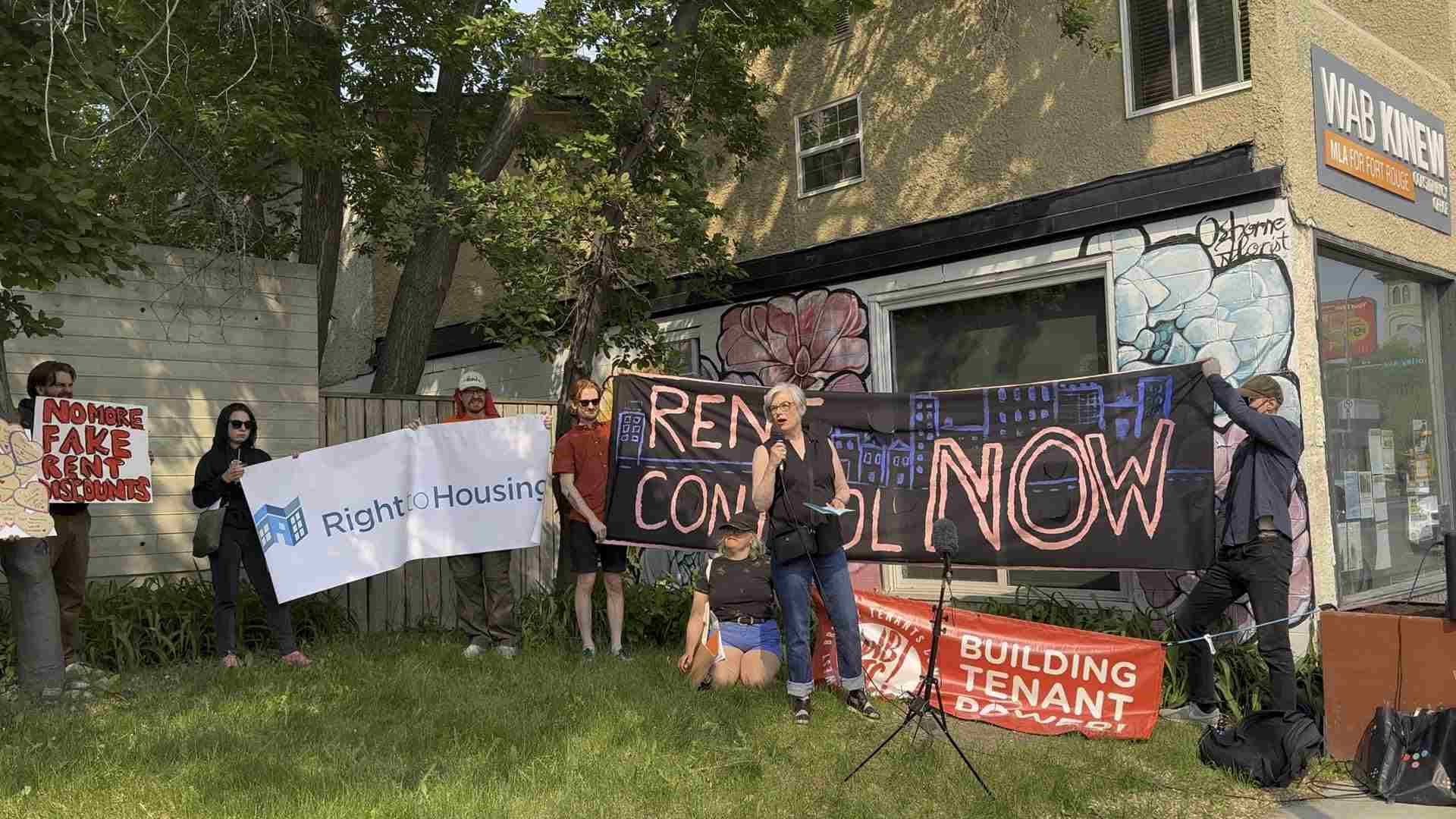
Government promises and setbacks
During the 2023 election, Wab Kinew promised to “make life more affordable for renters” and “strengthen rent controls with legislation to protect renters from big rate hikes”. In fall 2024, the government proposed Bill 26, The Residential Tenancies Amendment Act, to limit above-guideline rent increases, but it did not pass.
Ahead of the 2025 Throne Speech, The Right to Housing Coalition urged the Premier to renew his commitment. The Speech pledged “new rules to stop unfair rent increases and strengthen renters’ rights”.
In March 2026, the government proposed Bill 13, the Residential Tenancies Amendment Act, as well as updates to Rent Regulations. A month later, the Official Opposition announced that it will designate Bill 13, the Residential Tenancies Amendment Act, delaying its progress until the Fall legislative session. However, the government’s proposed updates to Rent Regulations may still be implemented immediately.
In September 2026, the Province announced it will implement one of its two proposed updates to Rent Regulations in January 2027. Units renting at less than $2,000/month (up from the current ‘less than $1,670/month’ threshold) will now be subject to rent control, which will help to prevent large and unpredictable rent increases and improve affordability for thousands of tenants.
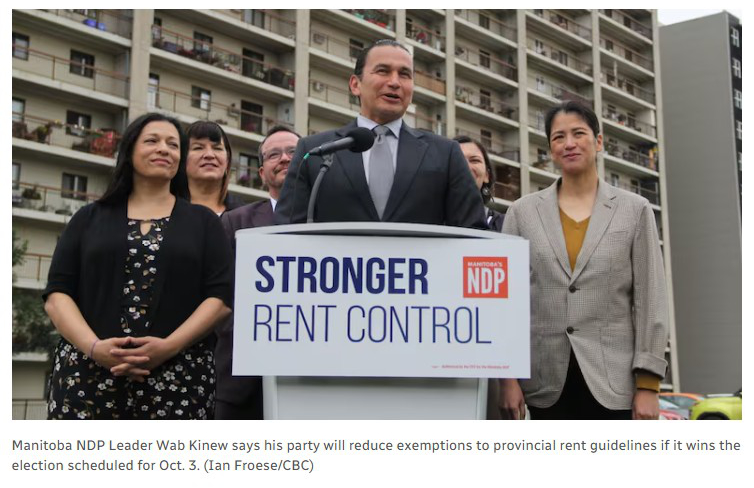
Legislative and regulatory changes
What is Missing
These changes will benefit thousands of renters, but significant gaps remain. Large and unpredictable rent increases are still permitted, threatening housing stability—especially for low- and fixed-income tenants.
Here is what’s missing:
More changes are still needed
The Right to Housing Coalition would like to see the following changes to Bill 13 and the Rent Regulations:
- Limit above-guideline rent increases (AGIs) to no more than 9% and no more than 3% a year.
- Calculate rent increases for capital expenses over a 10 to 25-year amortization period, after which the rent increase should be reversed.
- Apply rent regulations to all units renting for more than $1,670 monthly.
- Replace the 20-year rent regulations exemption for buildings first occupied after 2005 with a 5-year exemption.
- Disallow rent discounts while ensuring renters keep existing discounts
- Reduce the number of expenses eligible for above-guideline rent increases